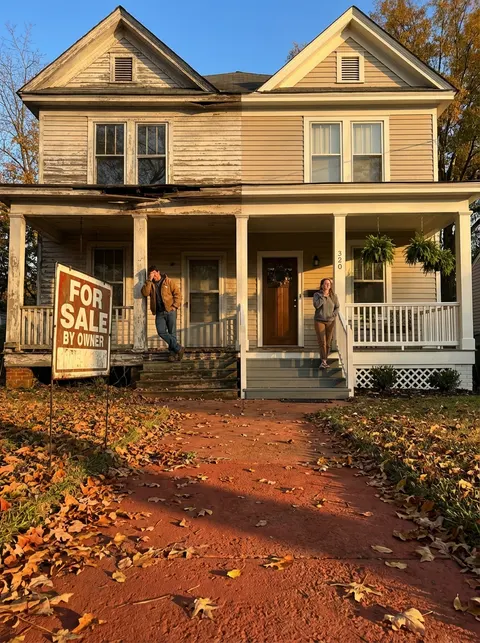
A lot of landlords in the Triangle got excited when North Carolina’s new squatter removal law took effect on December 1, 2025. Senate Bill 55 lets property owners file an affidavit and get unauthorized occupants removed in as little as 48 hours. That’s a big deal for vacant properties with break-ins.
But it doesn’t help you if you have a tenant.
Doesn’t matter if they haven’t paid in three months. Doesn’t matter if the lease expired last year. If you ever handed them a key or collected a rent check, North Carolina considers them a holdover tenant, not a squatter. The 48-hour process under NC Gen. Stat. 14-159.55 does not apply. You’re filing a Summary Ejectment (Form CVM-100) and waiting weeks for a court date, same as before the law changed.
I’ve been buying rental properties across Raleigh, Durham, Charlotte, and Greensboro for years now, and the number one thing landlords get wrong is thinking a sale forces the tenant out. It doesn’t. In North Carolina, a lease is tied to the property itself, not the person who owns it. If you sell, the new buyer inherits that lease and every term in it. All of them. The tenant stays put.
Getting a Tenant Out Before You Sell
If your tenant is month-to-month, you can terminate with a 7-day notice given before the end of the rental period. Year-to-year leases need 30 days. Miss the window by even a day and you’re stuck waiting another full cycle.
That’s the clean version. The messy version is what actually happens most of the time.
Tenants who know the house is going on the market tend to dig in. They have a legal right to quiet enjoyment of the property, which means you can’t force them to clean up for listing photos or disappear during showings. I had a seller last spring whose tenant told every single buyer who walked through that the basement floods. It doesn’t. The tenant just didn’t want to move. Another one left bags of trash in the living room the morning of an open house. On purpose.
Some landlords try “cash for keys,” which is exactly what it sounds like: you pay the tenant a few thousand dollars to leave voluntarily. Sometimes it works. Sometimes they take the money and don’t go anywhere, and then you’re out the cash AND still dealing with an eviction.
Every month you wait to sell is another month of dealing with a tenant who isn't paying, isn't cooperating, and is actively making your property harder to move. We buy tenant-occupied rentals across NC without requiring you to evict first. Call (919) 751-6768 and get an offer that accounts for the tenant situation.
Selling Without Evicting
There’s a simpler path. Sell the property with the tenant in it to someone who actually wants a rental property.
That’s what we do at Cinch Home Buyers. We purchase houses with active leases, holdover tenants, non-paying tenants, all of it. The lease transfers to us at closing. You walk away. No more being a landlord.
We don’t need the place staged or the tenant cooperative. One walkthrough to check the condition, then we make a cash offer. If the tenant is behind on rent or needs to be evicted, our legal team handles the Summary Ejectment process after you’ve already closed and gotten paid. That part becomes our problem.
I think what surprises people most is how fast it goes. No listing, no showings where you’re crossing your fingers the tenant behaves, no waiting on Wake County’s court schedule. Just a number and a closing date.
If you’ve got a rental property in North Carolina that’s turned into more headache than it’s worth, reach out to us for a no-obligation cash offer. Tenants, lease issues, whatever the situation, we’ll take a look.
What Happens to the Lease When You Sell a Rental Property in NC?
This is the question I get more than any other, and the answer surprises most landlords. Under North Carolina law, a lease survives a sale. NC Gen. Stat. 42-25.9 is explicit: a lease executed before a deed transfer remains binding on the new owner. That means the buyer steps into your shoes as landlord. Every clause in the lease — rent amount, lease term, pet policy, maintenance obligations — transfers to whoever buys the property.
This isn’t a quirk of NC law. It’s a fundamental principle. The lease runs with the land, not with the landlord. A new deed doesn’t terminate a lease any more than a new owner would terminate a utility easement. It’s attached to the property.
What does transfer to the new owner? Everything. The obligation to maintain habitable conditions. The duty to return the security deposit at the end of the lease (or provide an itemized accounting within 30 days under NC Gen. Stat. 42-52). Any promises you made in the lease about repairs, upgrades, or amenities. If you told the tenant in writing that you’d replace the HVAC before winter, the new owner inherits that promise.
The security deposit is a common trap. Under NC Gen. Stat. 42-52, when a rental property is sold, the outgoing landlord must either transfer the tenant’s security deposit to the new owner and notify the tenant of the transfer, or return the deposit to the tenant directly. If neither happens, both the old and new owners can be held liable. At closing, your attorney should handle the deposit transfer as part of the settlement statement.
Month-to-Month vs. Fixed-Term Lease: How Each Affects Your Sale
Month-to-month tenants
If your tenant is on a month-to-month arrangement, you have the most flexibility. NC Gen. Stat. 42-14 allows either party to terminate a month-to-month tenancy with written notice. For monthly tenancies, you need to give 7 days’ notice before the end of the current rental period. For year-to-year tenancies, you need 30 days.
Here’s the catch that trips up landlords in Wake County, Durham County, and Mecklenburg County constantly: the notice has to be given before the end of the rental period. If rent is due on the 1st and you give notice on the 3rd, you’ve missed the window. The tenant is entitled to stay through the entire next rental period. You’re waiting another full month at minimum.
Even with proper notice, the tenant doesn’t have to cooperate with showings. They have a legal right to quiet enjoyment of the property under NC law. You can request access for showings, but you can’t force it. If the tenant is hostile to the sale, they can make the listing process miserable — and I’ve seen exactly that happen dozens of times across the Triangle.
Fixed-term lease tenants
If your tenant is on a fixed-term lease — say a 12-month agreement that runs through November — you cannot terminate that lease early just because you want to sell. The lease is a binding contract. The tenant has the right to stay through the end of the term, and the new owner is bound by the same agreement.
This is where traditional home sales fall apart. A retail buyer using FHA or conventional financing typically wants vacant possession. They’re not buying a rental property — they’re buying a home. A tenant with six months left on a lease makes the property unsellable to 90% of the buyer pool. The only buyers left are investors — and most investors want a discount below market value to compensate for the tenant situation.
Selling to a cash buyer who specializes in tenant-occupied properties solves this completely. We don’t need vacant possession. We don’t need tenant cooperation for showings. One walkthrough is enough, and we close with the lease in place.
“I had a tenant who stopped paying rent and refused to leave. Ryan’s team bought the house with the tenant still in it. I closed in 9 days and never had to go to court.” — Denise K., Raleigh
Does Cash-for-Keys Actually Work in North Carolina?
Cash-for-keys is exactly what it sounds like: you offer the tenant money in exchange for voluntarily vacating the property by a specific date. It’s not regulated by NC statute — it’s a private negotiation between you and your tenant. No court involvement. No formal eviction process.
In practice across the Triangle and Charlotte metro, cash-for-keys amounts typically range from $1,500 to $5,000 depending on the market, the remaining lease term, and how motivated the tenant is to move. In higher-rent areas like Raleigh or Charlotte, I’ve seen deals go as high as $7,000 for tenants in desirable locations who know their leverage.
| Situation | Typical Cash-for-Keys | Eviction Cost | Time Saved |
|---|---|---|---|
| Cooperative tenant, month-to-month | $1,500 – $2,500 | $800 – $1,500 | 30+ days |
| Uncooperative tenant, fixed lease | $3,000 – $5,000 | $2,000 – $4,000 | 60-90 days |
| Non-paying tenant, contested | $5,000 – $7,000 | $3,000 – $6,000 | 90-180 days |
The key to making cash-for-keys work is putting the agreement in writing. Include the exact move-out date, the condition the property must be left in, and when the payment will be made (always after the tenant has vacated and returned keys — never before). Have the tenant sign a voluntary surrender of tenancy agreement that explicitly states they are vacating of their own free will and waiving any further right to occupy.
The risk? The tenant takes the money and doesn’t leave. At that point, you’re out the cash and still need to file a Summary Ejectment (Form CVM-100) in small claims court. I’ve seen this happen in Durham and Greensboro more times than I’d like to admit. That’s why many landlords skip the cash-for-keys gamble entirely and sell the property occupied to a buyer like us.
How Do Cash Buyers Handle Tenant-Occupied Properties Differently?
Traditional buyers need vacant homes. Cash buyers who specialize in rentals do not. Here’s how the process differs when you sell to a company like Cinch.
One walkthrough, not twenty showings. We need to see the property once to assess condition. We schedule it with you, ideally with 24-hour notice to the tenant per NC Gen. Stat. 42-40 (though this statute applies to landlord entry, and the same courtesy should be extended to potential buyers). That single visit is all we need. No repeated showings. No open houses. No strangers walking through your tenant’s living room every Saturday.
The lease transfers intact. At closing, the lease assignments are handled by the closing attorney. The tenant’s rights are preserved. Their rent amount stays the same. Their security deposit is transferred to us. From the tenant’s perspective, the only thing that changes is where they send the rent check.
We handle the tenant situation after closing. If the tenant needs to be transitioned out — whether through lease expiration, a cash-for-keys negotiation, or a Summary Ejectment if they’re non-paying — that becomes our responsibility after you’ve already closed and received your funds. You walk away clean.
Non-paying tenants don’t kill the deal. This is the big one. If you have a tenant who hasn’t paid rent in three months and you’re facing a Summary Ejectment filing in Wake County or Mecklenburg County small claims court, that situation makes a traditional sale nearly impossible. Buyers don’t want to inherit a non-paying tenant and a court case. We do this regularly. We factor the eviction timeline and cost into our offer, and we handle it after closing.
What Are Your Legal Obligations to Tenants During a Sale in NC?
North Carolina law imposes specific obligations on landlords during a property sale. Getting these wrong can expose you to liability even after you’ve sold.
Notice of ownership change. Under NC Gen. Stat. 42-36, when a rental property changes ownership, the tenant must be notified in writing of the new owner’s name and address within 10 days of the transfer. This notice should come from either the old or new landlord. Failure to provide this notice doesn’t void the lease, but it can create confusion about where rent should be directed and who is responsible for maintenance requests.
Security deposit accounting. As mentioned earlier, NC Gen. Stat. 42-52 requires you to either transfer the deposit to the new owner (and notify the tenant) or refund it. This must be reflected in the closing settlement. If you forget, you’re still potentially on the hook if the tenant comes back later claiming they never got their deposit.
Right to quiet enjoyment. Even during a sale, the tenant’s right to quiet enjoyment of the property is protected. You cannot show up with a locksmith, change the locks, or shut off utilities to pressure a tenant out. That’s constructive eviction — illegal in North Carolina and grounds for the tenant to sue for damages plus attorney fees. If you need the tenant out, the legal path is Summary Ejectment through the courts or a voluntary cash-for-keys agreement.
NC Gen. Stat. 42-25.6 through 42-25.9 collectively establish that a lease is enforceable against subsequent purchasers, and that the transfer of a rental property does not constitute grounds for termination of a lease. These statutes protect tenants during ownership transitions — and they also mean that as the seller, you need to disclose the existence and terms of any active lease to your buyer.
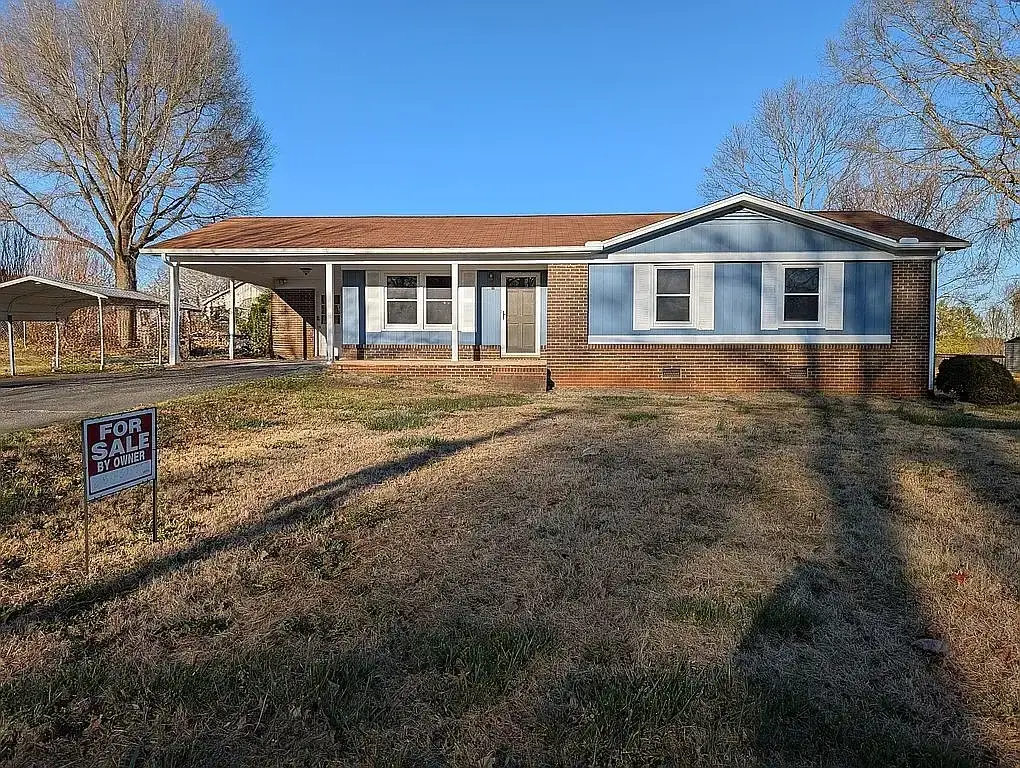
How Fast Can You Sell a Tenant-Occupied Rental in North Carolina?
If you go the traditional route — listing on the MLS with tenants in place — expect a long road. Most agents in Raleigh and Durham will tell you the same thing: tenant-occupied listings attract fewer showings, fewer offers, and more days on market than vacant homes. You’re looking at 90 to 180 days in many cases, plus the ongoing drama of coordinating showings with an uncooperative tenant.
A cash sale to an investor buyer closes in 7 to 14 days. The title search, deed preparation, and fund wiring happen through the closing attorney just like any other sale. The only difference is that the lease documentation is included in the closing package, and the security deposit is transferred through the settlement statement.
For landlords across North Carolina who are tired of the tenant situation and want a clean exit, the math is straightforward. Calculate what 3 to 6 more months of holding costs, lost rent, and potential eviction fees will cost you. Then compare that to the certainty of a cash offer that closes in two weeks. Most of the time, the cash path wins — not because the price is higher, but because the total cost of the alternative is higher.