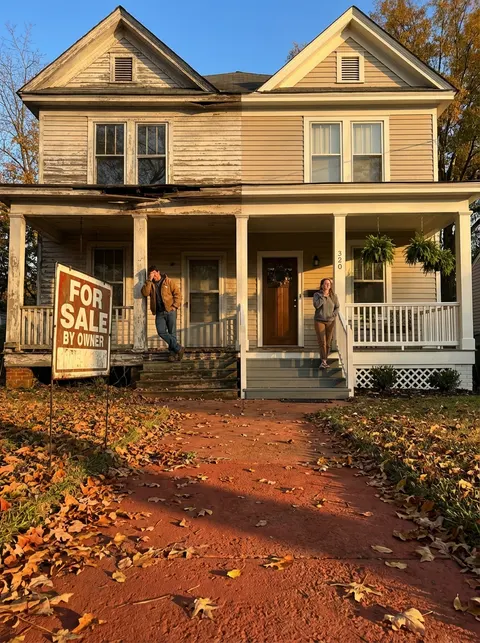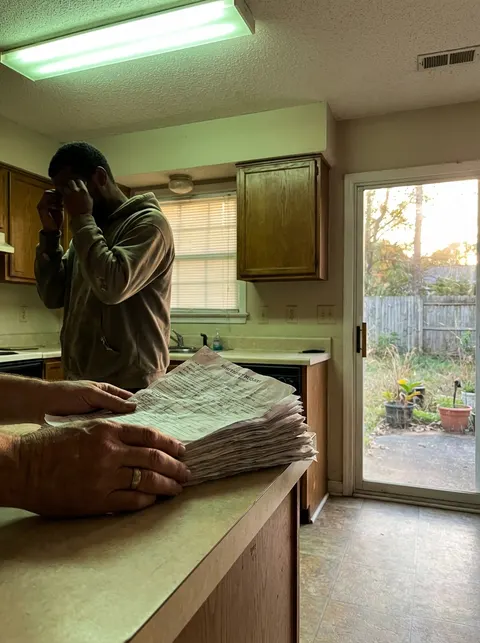
Selling a rental property is complicated enough. Selling one that has real damage — whether from years of deferred maintenance, a difficult tenant, fire, or water — adds a whole other layer of headache. Landlords in Raleigh face this situation more often than most people realize, and many of them spend months overcomplicating a decision that has a fairly clear answer once you run the numbers.
This guide covers what you actually need to know: what types of damage you're dealing with, what NC law requires you to disclose, whether repairs make financial sense, and what your realistic sale options are.
The Types of Damage — and Why They Matter Differently
Not all damage is the same, and how you handle the sale depends partly on what you're dealing with.
Deferred Maintenance
This is the most common category for long-term landlords. Aging HVAC systems, worn roofs, outdated plumbing, peeling paint, dated kitchens — none of it is catastrophic, but it accumulates. A property with $40,000 in deferred maintenance is a tough sell on the retail market because a traditional buyer's home inspector will flag every item, and their lender may require certain repairs before approving the loan.
Tenant Damage
Tenant damage runs the spectrum from cosmetic (holes in drywall, stained carpet) to serious (unauthorized structural modifications, hoarding conditions, mold from unreported leaks). Some landlords discover the full extent of damage only after a difficult eviction — and what they find can be genuinely shocking. Raleigh's tight rental market has attracted some out-of-state landlords who didn't manage properties closely, and turnover damage surprises are common.
Fire and Water Damage
These require the most careful handling. Structural damage, smoke contamination, mold from water intrusion — remediation costs can exceed the cost of a standard renovation. Insurance may cover some of it, but claims complicate the sale, and many buyers won't touch a property with an open or recent insurance claim. If a property has been partially remediated but not fully restored, traditional financing is almost certainly off the table.
NC Disclosure Requirements: What You Must Tell Buyers
North Carolina is a disclosure state. Under N.C. Gen. Stat. § 47E, sellers of residential property must complete a Residential Property and Owners' Association Disclosure Statement that covers known material defects. The key word is "known" — you must disclose conditions you are actually aware of, not conditions you might discover with a thorough inspection.
For damaged rental properties, the items that typically require disclosure include:
- Known structural defects or issues with the foundation, roof, or walls
- Prior water intrusion, flooding, or moisture damage
- Prior fire or smoke damage
- Known mold or mold remediation history
- Known pest or termite damage
- Hazardous materials: asbestos, lead-based paint (federally required for pre-1978 homes)
- Any outstanding code violations or notices from the City of Raleigh
The common mistake landlords make is minimizing disclosures to protect the sale price. This is a bad strategy. Undisclosed known defects expose you to post-closing litigation. In NC, buyers have successfully sued sellers years after closing for failure to disclose. Being upfront — especially when selling to an investor or cash buyer who expects issues — is the better legal and practical position.
The Repair-vs-Sell-As-Is Math
Before spending money on repairs, run this analysis honestly. The Raleigh market in 2025 is strong, but it's not so frothy that any renovation automatically returns full value.
| Scenario | Estimated ARV | Repair Cost | Net Before Commission |
|---|---|---|---|
| Fully renovated, listed on MLS | $320,000 | $55,000 | ~$246,000 (after 6% commission) |
| Sell as-is to cash buyer | N/A | $0 | ~$240,000–$255,000 |
In this example, the landlord nets $6,000–$15,000 more from a full renovation — but only if the renovation comes in on budget (rare), only if the property sells at the projected ARV (not guaranteed), and only after 3 to 6 months of carrying costs, contractor management, and listing headaches. When you factor in 4 months of taxes, insurance, and opportunity cost on that $55,000 in renovation capital, the actual spread often narrows to near zero or flips negative.
The math usually favors selling as-is when: repair costs exceed $30,000, you have existing tenants who complicate access, the property is already generating negative cash flow, or you don't want to manage a renovation project.
"I listed my house in Durham and after agent fees, repair credits, and four months of mortgage payments while it sat on the market, I walked away with less than Ryan's cash offer would have been. Nobody told me about the concessions or the carrying costs until I was already deep into the process." — Patricia M., Durham
Selling Occupied vs. Vacant Damaged Properties
If tenants are still in place, selling gets more complicated. North Carolina law requires landlords to give reasonable notice before showing a property — typically 24 hours — and tenants have the right to quiet enjoyment. An uncooperative tenant can make showings nearly impossible, which effectively eliminates the retail buyer market.
Cash investors are used to occupied properties. We can often evaluate and make an offer based on exterior inspection, records, and a single interior walkthrough. We don't need perfectly staged spaces or cooperative tenants to make a decision. For landlords with difficult occupants, a cash sale is sometimes the only realistic path to a clean exit.
If the property is vacant after a move-out or eviction, you have more flexibility — but the damage is visible and the clock is ticking on carrying costs. Vacant properties in Raleigh neighborhoods like Southeast Raleigh, parts of East Raleigh, or older Garner communities attract investor interest quickly because the fundamentals are solid even when the property condition isn't.
| Damage Type | Typical Repair Cost | Impact on Traditional Sale |
|---|---|---|
| Deferred maintenance (HVAC, roof, plumbing) | $15,000–$50,000 | Buyer inspection flags, FHA/VA rejection |
| Tenant damage (drywall, carpet, fixtures) | $5,000–$25,000 | Poor showing condition, low offers |
| Fire or smoke damage | $30,000–$100,000+ | Insurance claim complications, no financing |
| Water damage / mold | $10,000–$60,000 | Remediation required before lender approval |
| Code violations | Varies | Potential lien on title, must resolve to close |

Raleigh's Investor Market and What It Means for Your Sale
Raleigh has one of the most active residential investor markets in the Southeast. The Triangle's population growth, strong rental demand, and appreciating values attract fix-and-flip buyers, buy-and-hold investors, and institutional rental operators. That competition for distressed inventory is good news for landlords selling damaged properties — you're not dealing with a thin buyer pool.
However, not all investor offers are equal. Watch for:
- Wholesalers who tie up your property under contract and then try to assign it to an end buyer — introducing the same uncertainty as a retail deal without the benefit of a retail price
- Contingency-heavy offers that include inspection rights and broad cancellation provisions — essentially a free option on your property
- Lowball offers that cite repair costs well above what's realistic — verify any repair estimates with your own contractor if they seem inflated
A legitimate cash buyer will give you a written offer with a specific price, a defined closing date, and no financing or inspection contingencies. The offer should reflect market conditions in your specific Raleigh submarket, not a generic discount off list price.
Frequently Asked Questions
Yes. Cash investors regularly buy tenant-occupied properties. The buyer takes the property subject to the existing lease. Month-to-month tenants in NC can be given 30 days' notice to vacate, but fixed-term lease holders stay through the end of their lease. An uncooperative tenant can effectively eliminate retail buyers, making a cash sale the only realistic path to exit.
Yes. Under N.C. Gen. Stat. § 47E, you must disclose all known material defects — including damage caused by tenants. Structural issues, mold from unreported leaks, and unauthorized modifications all qualify. Minimizing disclosures to protect the sale price is a bad strategy that exposes you to post-closing litigation.
Not necessarily. Run the numbers first. If your insurance payout covers repairs but the renovation will take 3–6 months, you are still paying carrying costs (mortgage, taxes, insurance) during that period. Many landlords find that pocketing the insurance payout and selling as-is to a cash buyer yields a similar or better net result with far less hassle.
A legitimate cash buyer provides a written offer with a specific price and closing date, posts earnest money to a closing attorney's escrow account, and has no financing or inspection contingencies. Be cautious of wholesalers who tie up your property under contract and then try to assign it, or buyers who cite inflated repair estimates to justify lowball offers.
If you're a Raleigh landlord ready to exit a damaged rental, we buy properties as-is, handle the paperwork, and close on your schedule. There's no obligation to get a number — and knowing what your property is worth to a cash buyer is useful information regardless of what you decide to do next.