

Inheriting a property with siblings or other family members sounds straightforward — until everyone has a different opinion about what to do with it. One sibling wants to sell immediately. Another wants to keep it in the family. A third hasn't responded to calls in two weeks. Meanwhile, taxes, insurance, and utility bills keep coming.
This is one of the most common situations we see here in North Carolina, and it's genuinely stressful. The good news: you are not stuck. North Carolina law gives heirs real tools to move forward, even when everyone can't agree.
First, Understand How NC Intestate Succession Works
If your loved one passed without a will, North Carolina's intestate succession laws determine who inherits what. Under N.C. Gen. Stat. § 29, the estate passes to the closest surviving relatives — typically a spouse and children in equal shares. If there's no spouse, children inherit everything equally. If there are no children, it moves up to parents and siblings.
What this means practically: if four siblings inherit a house together, each owns a 25% undivided interest in the entire property. No single heir owns any specific room or part of the house — everyone owns a fractional share of the whole thing. This co-ownership arrangement is called tenancy in common, and it's the root of most heir disagreements.
Every co-owner has the right to use the property, but no co-owner can unilaterally sell it. That's where disputes begin.
Option 1: Mediation — The Fastest Path to Resolution
Before anyone files a lawsuit, try mediation. A neutral third-party mediator sits down with all the heirs, helps everyone articulate what they actually need, and works toward an agreement. Mediation is:
- Faster — typically resolved in one or two sessions
- Cheaper — mediators cost a fraction of litigation
- Private — nothing goes on public court record
- Flexible — outcomes can be creative (one heir keeps the house, others get cash; house is rented short-term, then sold)
Many NC counties have community mediation centers that offer low-cost services. The North Carolina Dispute Resolution Commission also maintains a roster of certified mediators. If family relationships matter at all to any of the heirs, mediation is worth trying first.
Option 2: One Heir Buys Out the Others
If one heir genuinely wants to keep the property, a buyout is often the cleanest solution. The heir who wants to keep it gets a formal appraisal, then pays each other heir their proportional share of that appraised value.
The mechanics look like this: the buying heir either uses their own cash, takes out a new mortgage on the property (often called an estate buyout loan), or arranges seller financing from the other heirs. A real estate attorney draws up the transfer documents, and each heir who's being bought out signs a deed transferring their interest.
A few things to sort out beforehand:
- Who pays for the appraisal, and do all heirs accept it?
- What about any debts against the estate or the property?
- Is the buying heir current on any expenses they've been covering alone?
- What's the tax basis going to be for capital gains purposes?
If everyone agrees on the value and the terms, a buyout can close in a matter of weeks.
Option 3: Partition Action — The Legal Hammer
When negotiation fails, any co-owner can file a partition action in North Carolina Superior Court. This is a lawsuit that forces a resolution. Under N.C. Gen. Stat. § 46A (the updated Uniform Partition of Heirs Property Act, effective in NC since 2020), courts have specific rules for inherited property held by family members.
Partition in Kind vs. Partition by Sale
A court can either divide the property physically (partition in kind) or order it sold and the proceeds split (partition by sale). For a house, physical division is almost never practical — you can't cut a three-bedroom ranch in half. So partition by sale is the typical outcome.
Under the 2020 updates, before ordering a forced sale, the court must first consider whether the property can be physically divided and give existing co-owners the right to buy out the petitioning heir at fair market value. This gives family members one more chance to keep the property before it goes to public auction.
What a Partition Action Actually Costs
Filing fees in NC Superior Court run several hundred dollars. Attorney fees, if the case is contested, can reach into the thousands — sometimes tens of thousands if heirs dig in. The process typically takes 6 to 18 months. At the end, the court-ordered sale often nets less than a negotiated sale because buyers at auction know they have leverage.
Partition is a real option, but it's the most expensive and slowest one on the table. Most attorneys will tell you the same thing: use it as a last resort.
How Selling to a Cash Buyer Ends the Dispute
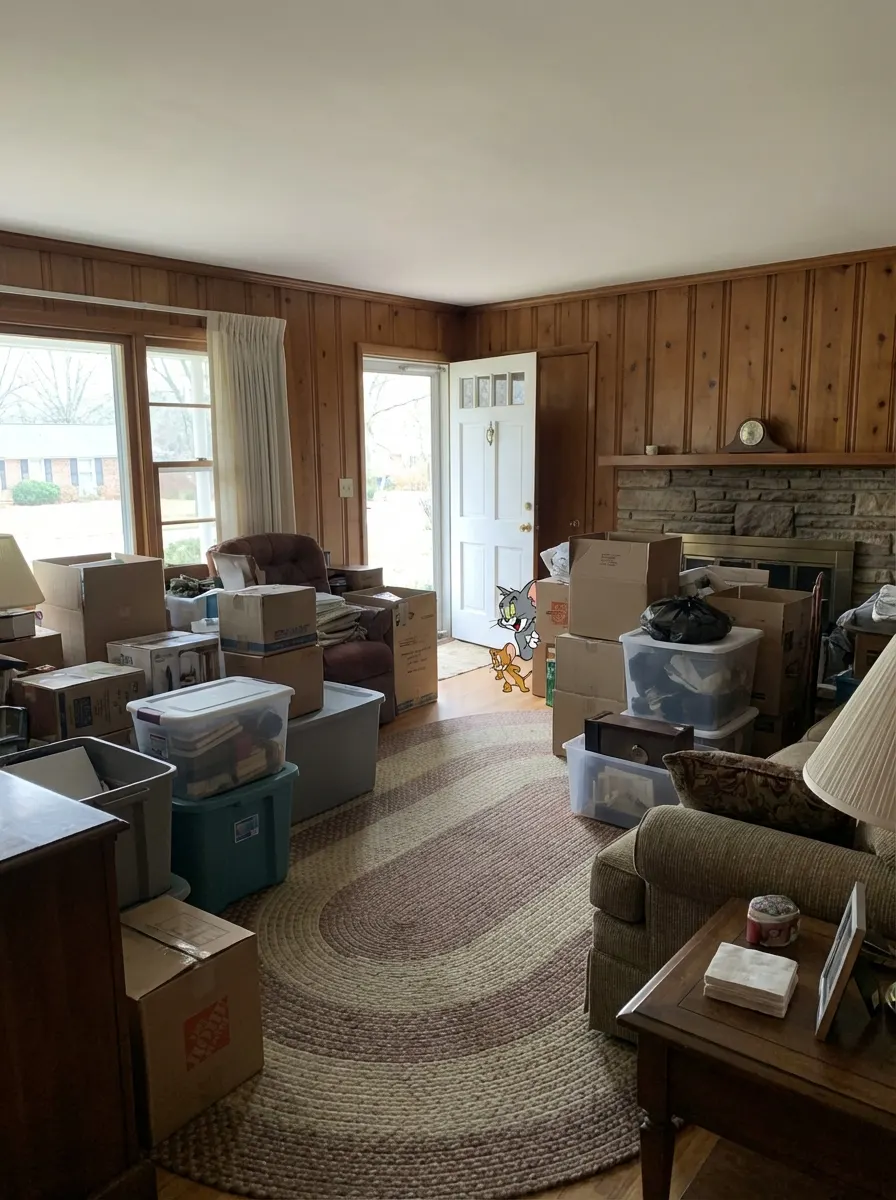
One of the most practical — and underused — solutions is agreeing to sell the property to a cash buyer quickly, then splitting the proceeds. Here's why this works when everything else stalls:
- Speed ends the carrying costs. Every month the property sits, someone is paying taxes, insurance, and possibly utilities. A quick sale stops the bleeding.
- No repairs required. Inherited properties often have deferred maintenance. Cash buyers purchase as-is, so heirs don't have to agree on who fronts repair money or argue about contractors.
- Clean closing timeline. A cash buyer can close in as little as 7 to 14 days after the estate has authority to sell — no financing contingencies, no inspection negotiations, no deal falling through at the last minute.
- Equal distribution is straightforward. Once the property sells, the estate attorney distributes proceeds to each heir according to their ownership percentage. Everyone gets their share. The dispute ends.
We've worked with families in Raleigh, Durham, Greensboro, and across North Carolina where a cash offer became the path of least resistance — not because the price was the highest possible, but because it was certain, fast, and fair enough that every heir could say yes.
“I inherited my mom's house and had no idea what to do. Cinch handled everything — even the probate paperwork coordination.” — David M., Fayetteville
| Resolution Method | Timeline | Cost | Family Impact |
|---|---|---|---|
| Mediation | 1 – 2 sessions | $500 – $2,000 | Low — private, flexible |
| Heir buyout | 2 – 6 weeks | Appraisal + attorney fees | Low — if value is agreed |
| Partition action | 6 – 18 months | $5,000 – $25,000+ | High — public court record |
| Cash sale (all agree) | 7 – 14 days | $0 seller costs | Lowest — clean split |
Frequently Asked Questions
Yes. Any co-owner can file a partition action in NC Superior Court to force a sale. Under N.C. Gen. Stat. § 46A, the court will first offer other co-owners the right to buy out the petitioning heir at fair market value before ordering a public sale.
Tenancy in common is the default co-ownership arrangement when multiple heirs inherit property in NC without a will. Each heir holds an undivided fractional interest in the entire property — no one owns a specific room or section. All co-owners must agree to sell the whole property.
Filing fees are several hundred dollars, but attorney fees on a contested partition can reach $5,000 to $25,000 or more. The process typically takes 6 to 18 months. Court-ordered sales often net less than negotiated sales because auction buyers know they have leverage.
It depends on how the title is held. If the property was in the decedent's name alone, probate or an alternative like a small estate affidavit is typically required to transfer title. A NC real estate attorney can advise on the fastest path for your specific situation.
If all heirs agree to sell, the process is straightforward — list on the MLS or sell to a cash buyer, close, and split the proceeds. A cash sale can close in as little as 7 to 14 days with no repairs needed, making it the fastest option when everyone wants to move on.
If you're an heir dealing with a disagreement over an inherited property in North Carolina, you don't have to wait for a court to sort it out. A straightforward conversation about a cash offer costs nothing and can show every heir exactly what they'd walk away with — sometimes that clarity alone is enough to break the deadlock.